
Logistics and service advantage
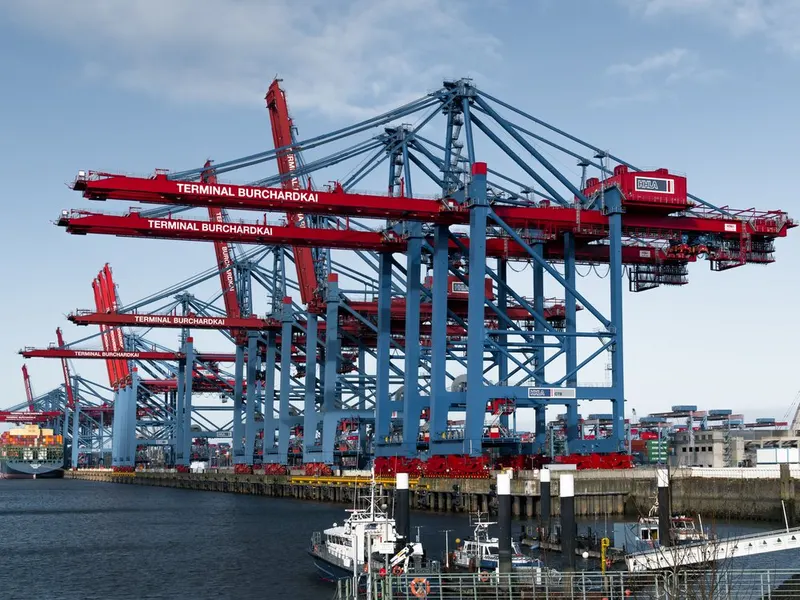
Nearby geography gives two concrete advantages in crane projects: shorter transport time, and much faster on-site intervention when a fault occurs.
This becomes especially decisive at facilities where production depends on the crane; if downtime cost is high, service access is one of the most important items in the purchasing decision.
Typical application areas
In the region, energy facilities, steel and metal processing, construction materials production and logistics facilities are the main crane users.
Outdoor storage operations favor gantry cranes, indoor production facilities favor overhead travelling cranes, and maintenance workshops favor jib and monorail solutions.
Project planning
| Topic | What needs planning |
|---|---|
| Transport | Envelope/gauge, route, border crossing, packaging |
| Installation | Team plan, on-site lifting, work permits |
| Commissioning | Load test, training, handover documents |
| Service | Response time commitment and communication channel |
| Spare parts | Critical parts list and lead time |
| Documents | Language of operating instructions and technical file |
Technical terms
| Term | What it means |
|---|---|
| On-site lifting | A temporary crane service used to lift parts during installation. |
| Commissioning | The adjustment, testing and handover process after installation. |
| Response time | The time elapsed from fault notification to on-site intervention. |
Frequently asked questions
How quickly does the service team arrive?
It depends on distance and entry procedures; the response time committed to is stated in writing in the contract.
Can a local team carry out the installation?
Yes; in that case, the limits of responsibility for commissioning and warranty must be separated in writing.