Corrosion is the biggest enemy
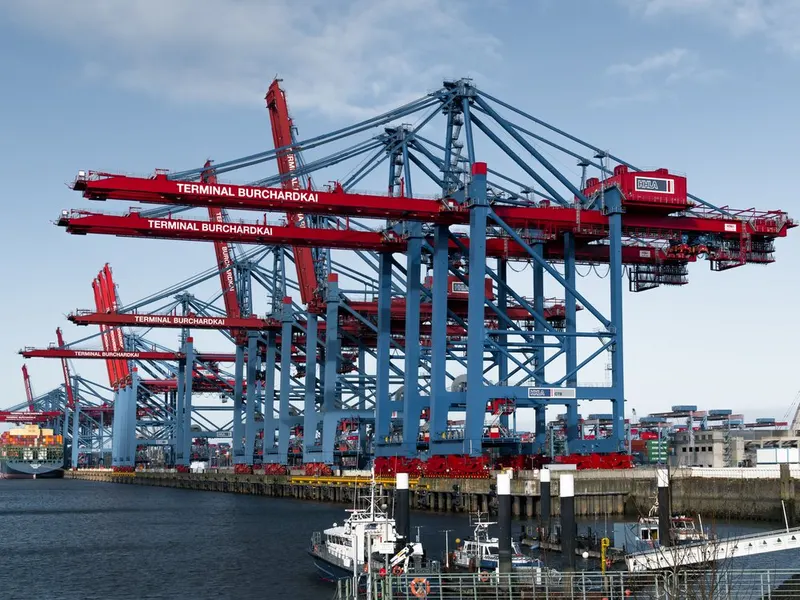
The salty humidity along the coast noticeably accelerates corrosion in both the steel structure and the electrical components. Here, the crane's service life is determined less by the structural calculation and more by the paint system and detail design.
Pockets that trap water, unsealed profile ends and inaccessible connection points are where corrosion starts first. If these details aren't solved at the design stage, maintenance can't make up for it later.
Wind and open sites
On shipyard and port sites, wind is a continuous load. The crane structure is calculated for this load; a storm anchor is used to secure the crane to the rail outside working hours. Operation is halted above a defined wind speed.
Typical solutions
| Condition | Precaution taken |
|---|---|
| Salty humidity / corrosion | Heavy-duty paint system, water-shedding detail design |
| Wind | Wind load calculation, storm anchor, anemometer |
| Outdoor electrics | Enclosed conductor line, high IP-rated panel |
| Bulky section handling | Lifting beam and multiple rigging points |
| Long span | Gantry or semi-gantry crane |
| Continuous operation | High duty class, planned maintenance program |
Frequently asked questions
How much difference does the paint system make?
A very big difference in a marine atmosphere. A paint system not suited to the environment starts a chain that goes from surface corrosion to loss of cross-section within a few years.
At what wind speed should I stop?
The threshold is set in the crane's design and stated in the operating instructions. On systems fitted with an anemometer, the operator is warned as this threshold approaches.
Other sectors
Manufacturing gallery